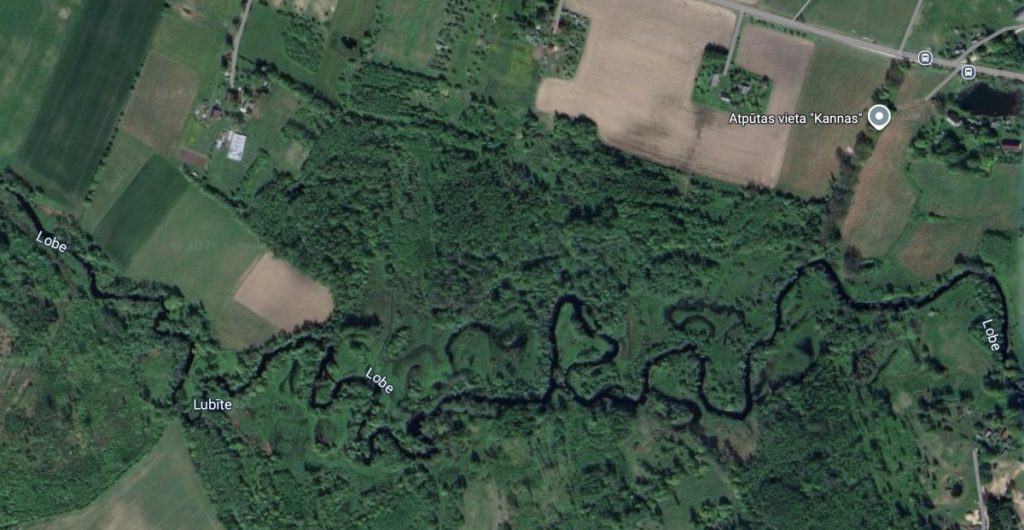
The Lobe River (24 km) is a small but significant landscape element in Ogres region, currently facing multiple challenges: unmanaged riverbanks, fallen trees causing flooding, sediment accumulation and pollution from outdated or insufficient wastewater systems.
This Community-Led Action (CLA) brings together local residents, schools, entrepreneurs and organisations to restore the river while making it actively used, understood and maintained by the community.
The approach combines environmental restoration with education, small-scale infrastructure and low-impact economic activities to ensure long-term sustainability.
The Challenge
The current condition of the Lobe River reflects a typical situation in many rural areas:
Blocked river sections increase flood risk in spring
Sediment and organic accumulation reduce water quality
Insufficient wastewater systems contribute to pollution
The river is underused and lacks coordinated stewardship
Although identified as a valuable landscape element in local planning documents, no structured, community-based management approach currently exists.




Our Solution
The CLA introduces a practical, step-by-step model:
Assess → Engage → Educate → Restore → Maintain
Key actions include:
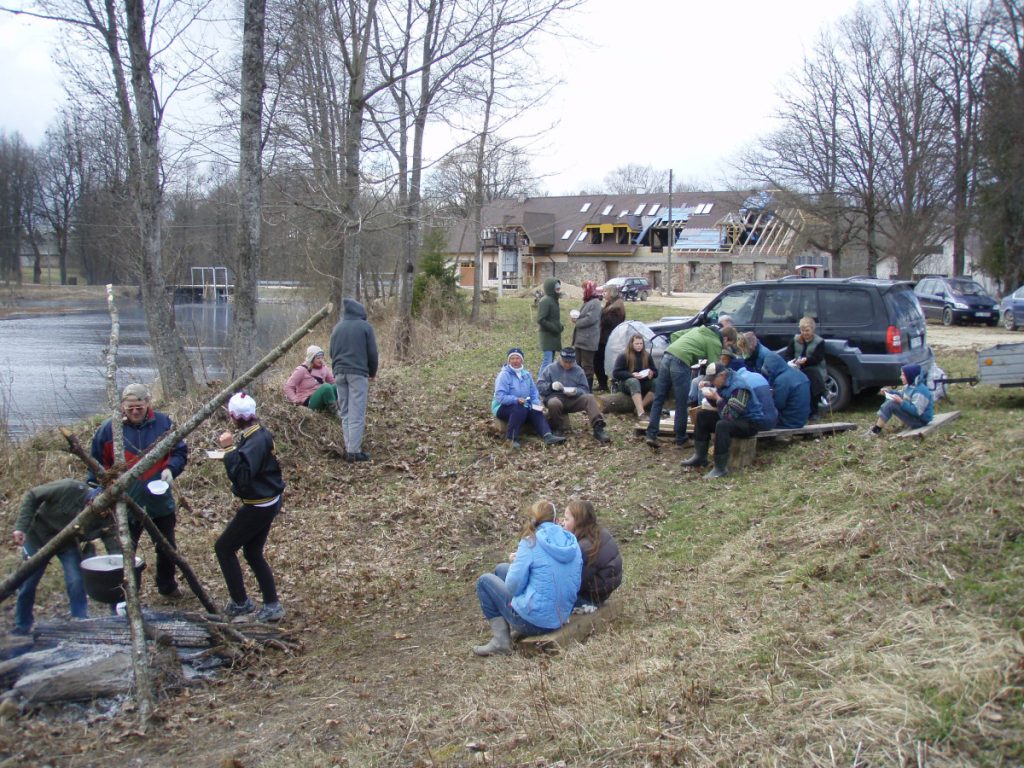
Mobilisation of the local Lobe River community and fostering a shared sense of responsibility for the river environment
Expert-led ecological assessment of the river to identify key challenges and define priority interventions
Clearing priority river sections to restore flow
Creating small, low-impact access points for boating
Establishing nature-based wastewater treatment (reed-bed demonstration)
Developing educational walking trails focused on biodiversity accessible for persons with limited mobility capability
Building an outdoor classroom for environmental education
Involving schoolchildren in simple water quality monitoring
This approach ensures that the river is not only restored, but also actively used and cared for.
What Will Be Delivered
By the end of the project, the following tangible results will be achieved:
At least 10 km of river restored and cleared
2 flood plain locations revitalised
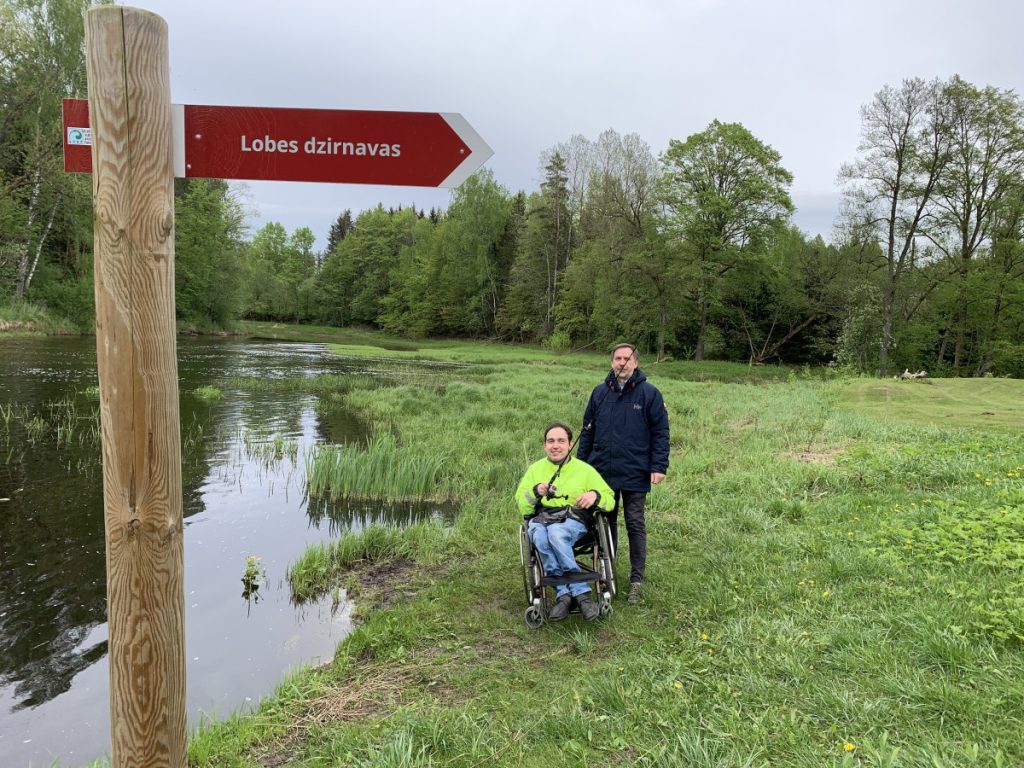
2 accessible river access points (including for people with limited mobility)
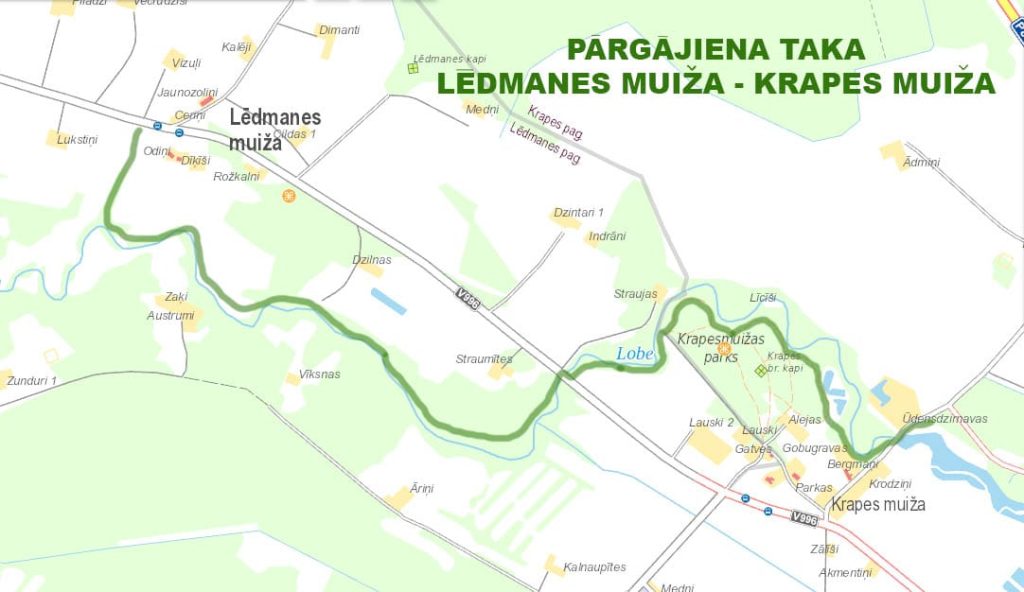
2 educational walking trails according to universal design principles (current situation video)
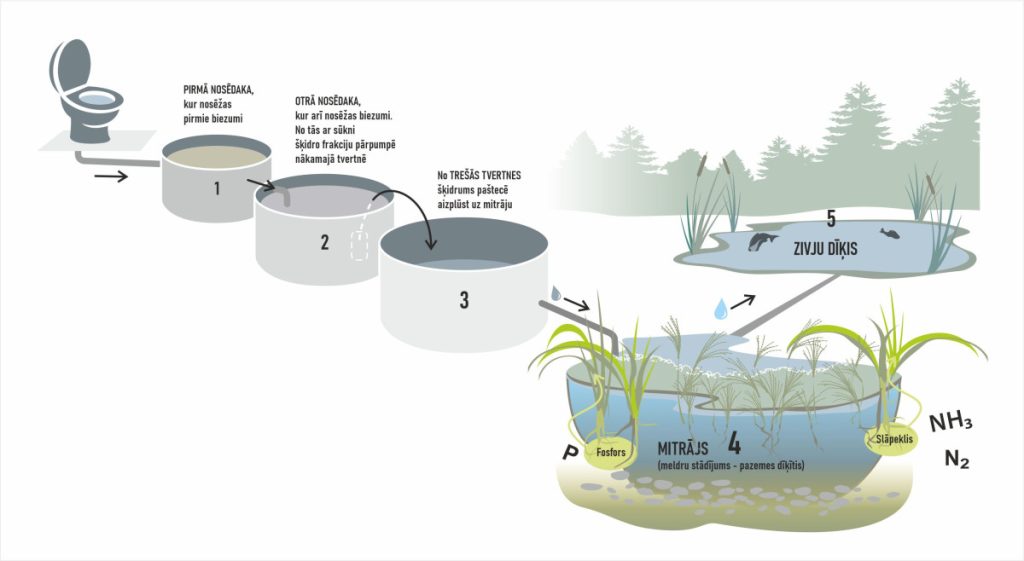
1 reed-bed wastewater treatment demonstration system (serving 4 households)
1 outdoor classroom in Krapes muiža park (photo – AI generated image)
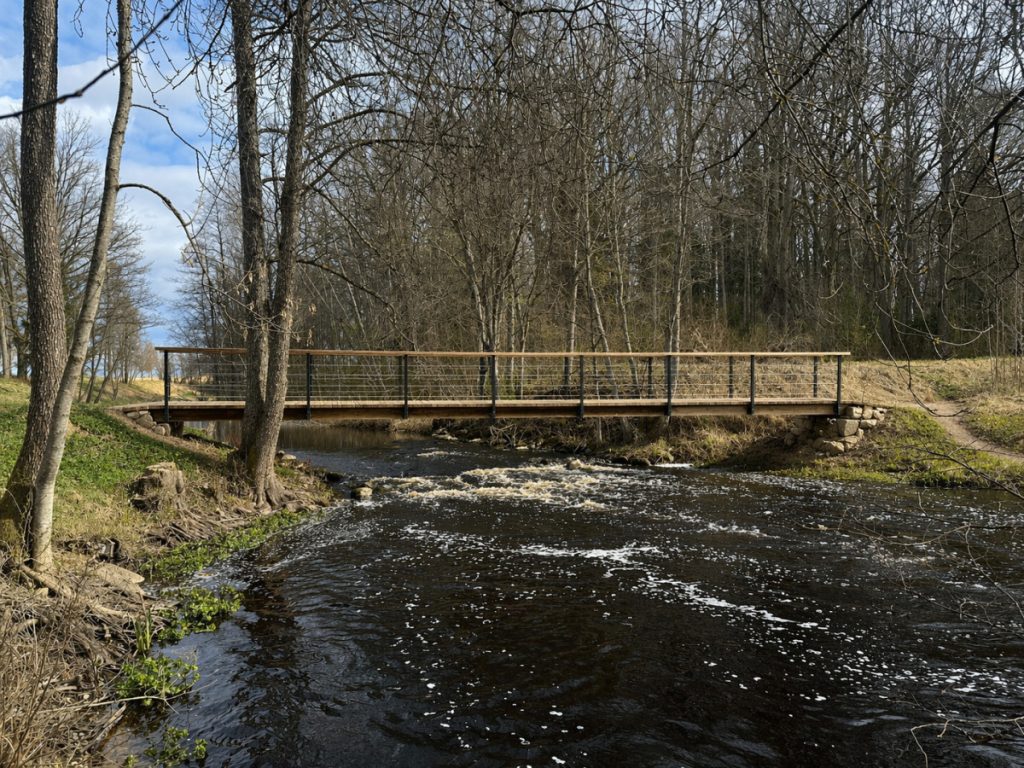
1 pedestrian bridge will be erected to link educational trails and ensure accessibility (photo – AI generated bridge sketch)
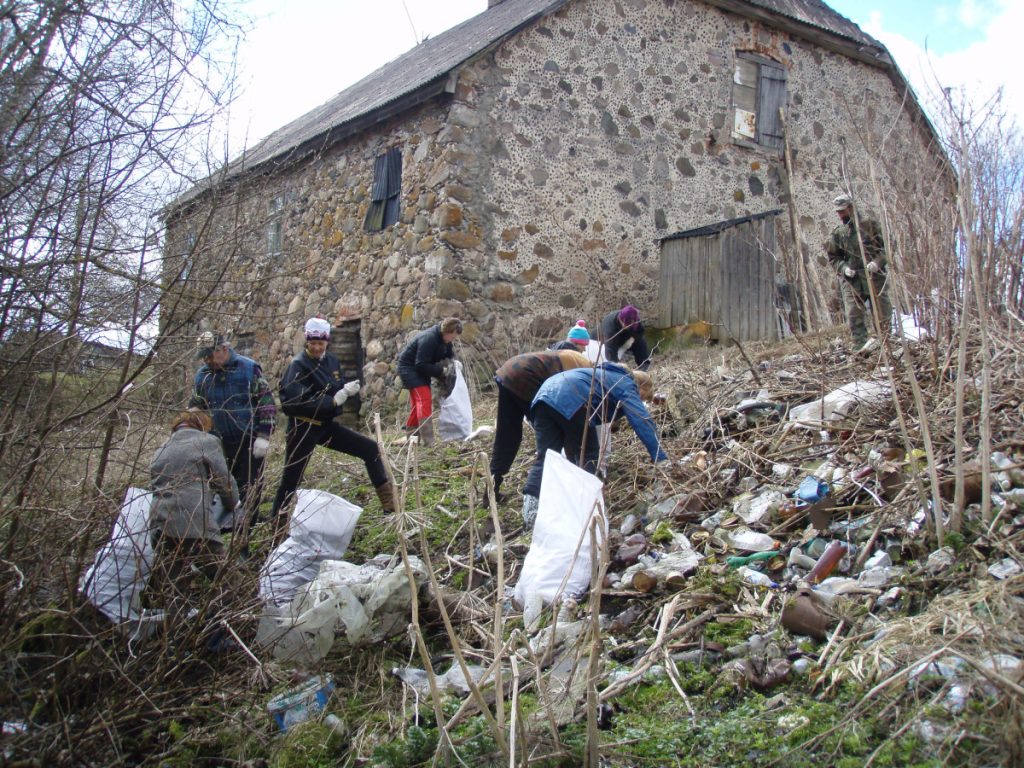
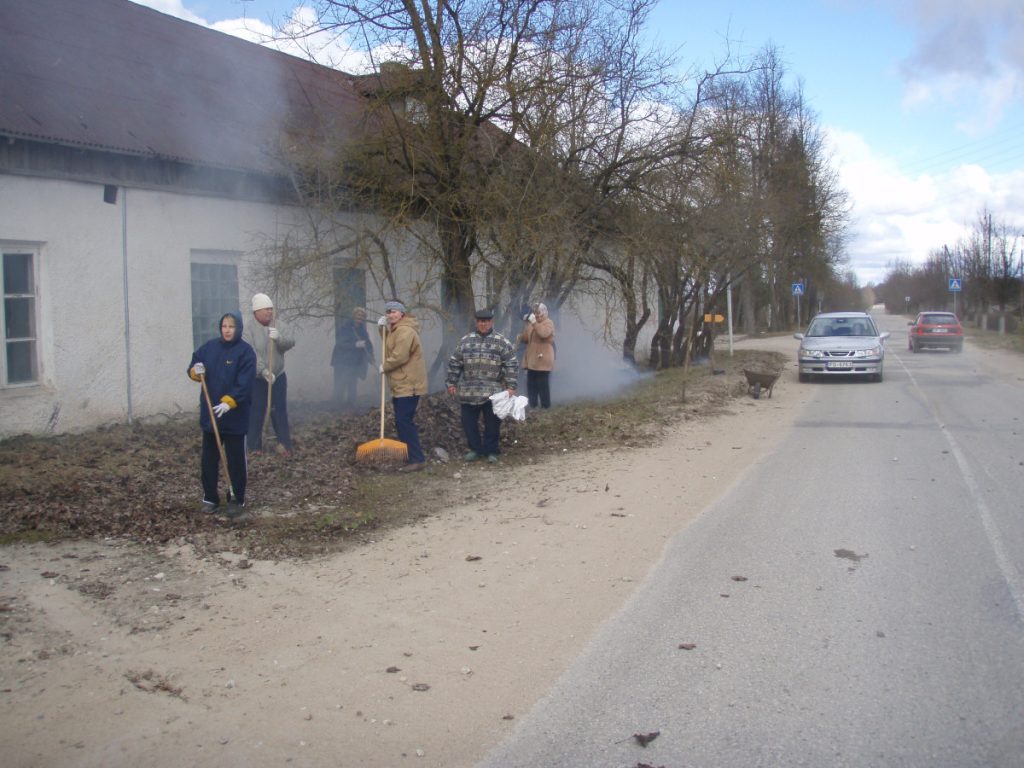
Regular community events and clean-up activities


Who Benefits
The project is designed for clearly identifiable groups:
Local residents – reduced flood risk, improved environment
Schoolchildren and teachers – hands-on learning and outdoor education
Elderly and people with mobility challenges – improved access to nature (link to video)
Local entrepreneurs – opportunities for low-impact tourism and services
Volunteers and community groups – meaningful engagement and ownership


Consortium
The project is implemented by a strong local partnership:
Krapes muiža – community coordination and engagement
Ūdensdzirnavas – environmental education and local entrepreneurship
Mežalīči – practical river use and volunteer mobilisation
Ledmane Primary School – education and monitoring activities
Local municipality – infrastructure context and wastewater systems
NGO “Aktīvās atpūtas centrs jauniešiem” – youth engagement and outdoor skills
NGO “NĀC KOPĀ” – a key project partner due to its long-term management role of the historic manor park under an agreement with the local municipality
This combination ensures both practical implementation and long-term continuity. Community of Krapes muiža has long lasting traditions and know-how to expand activities all along the river.



How It Works in Practice
The CLA is designed to function in everyday life:
A student measures water clarity as part of a school lesson
A local family uses a safe river access point
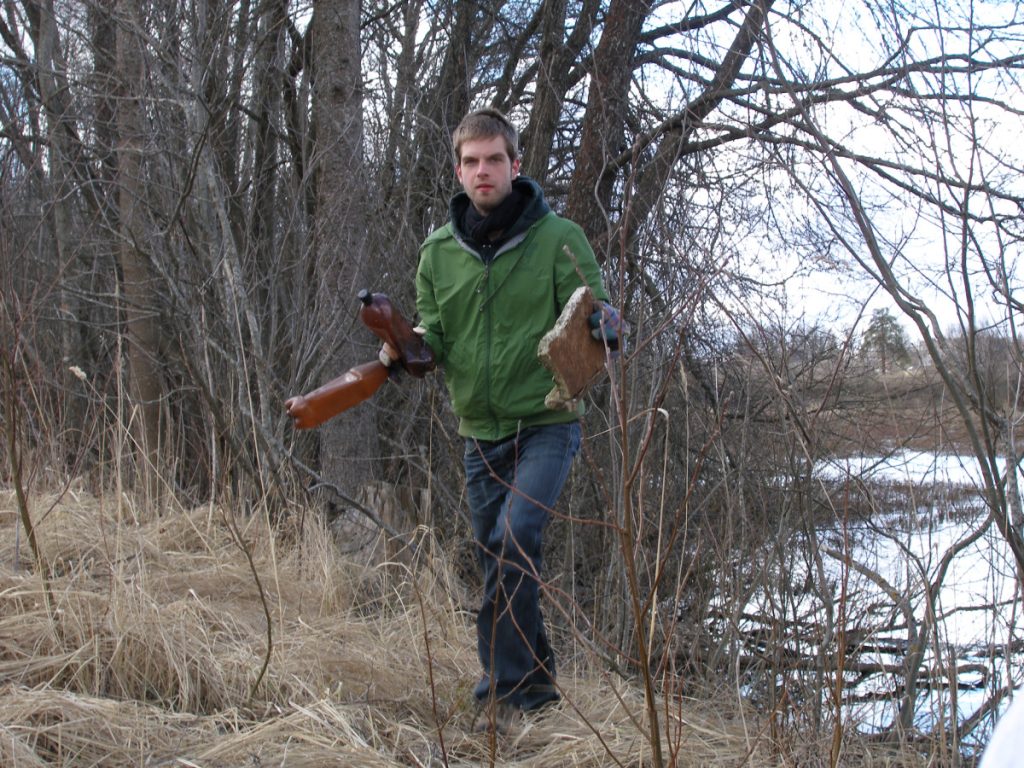
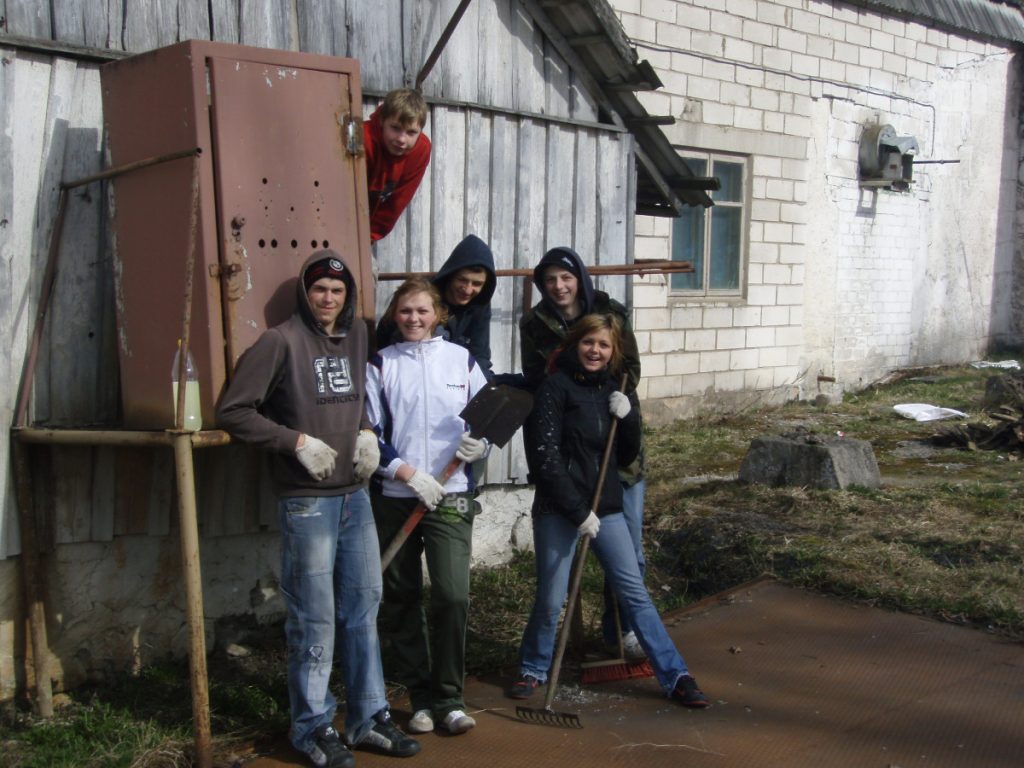
Volunteers participate in seasonal clean-up events
Visitors explore walking trails and observe biodiversity
Small businesses develop nature-based tourism services
The river becomes a shared space that is actively used and therefore maintained.
Innovation
This project goes beyond traditional environmental restoration:
Combines environmental, social and economic dimensions
Focuses on use-based stewardship rather than one-off interventions
Applies low-cost, replicable solutions
Integrates education directly into the landscape
Uses recreation as a form of ongoing monitoring
Expected Impact
Improved river flow and reduced flood risk
Better water quality in selected sections
Increased community engagement and environmental awareness
New opportunities for small-scale tourism and local services
Establishment of a long-term community stewardship model
Sustainability & Afterlife
The project is designed to continue beyond its funding period:
Infrastructure remains in active use by the community
Schools integrate the river into regular learning activities
Local organisations continue coordinating events and maintenance
Tourism and recreational use provide ongoing presence and monitoring
Additional funding opportunities will be pursued based on demonstrated results
Replication Potential
This Community Lead Action model is highly transferable.
It can be applied to other small rivers across Latvia and the Baltic region where similar challenges exist: fragmented responsibility, low-intensity use and declining environmental quality. Prerequisite is willingness of local community to act and leadership initiative.
The approach is simple, cost-effective and adaptable to different local contexts.
Communication & Visibility
Project activities and results will be widely shared through:
National TV features (e.g. Meža veča stāsti or similar)
National radio coverage (e.g. Kā labāk dzīvot or similar)
Regular updates via partner social media
Visual materials including drone footage and on-site information boards
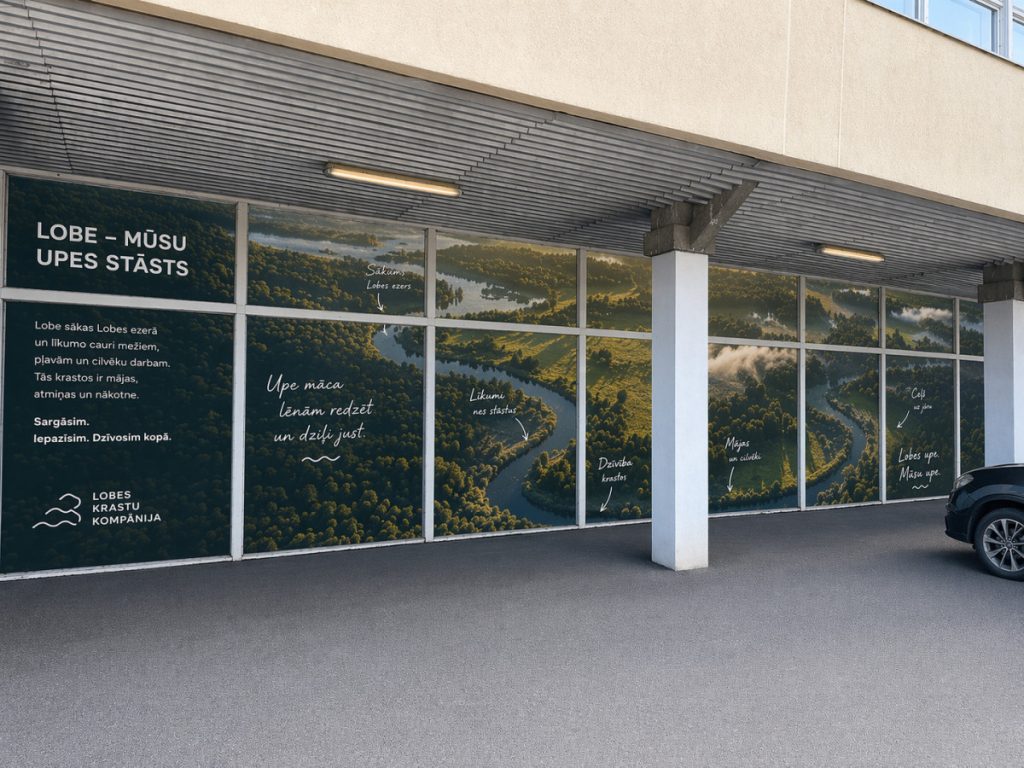
There will be active outdoor communication with community. Large-scale printouts of drone capture images will be placed in Ledmane supermarket windows to foster discussions and participation.